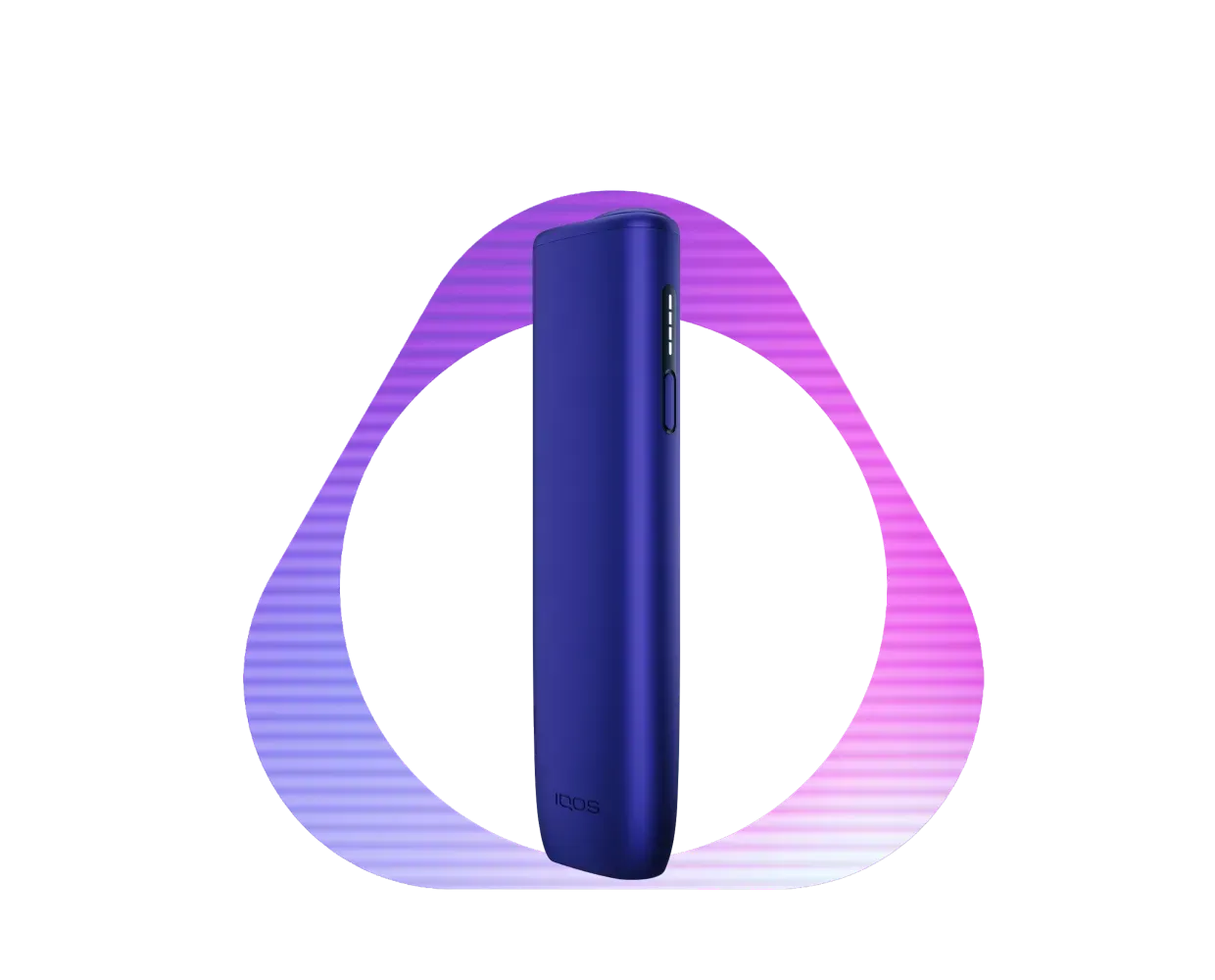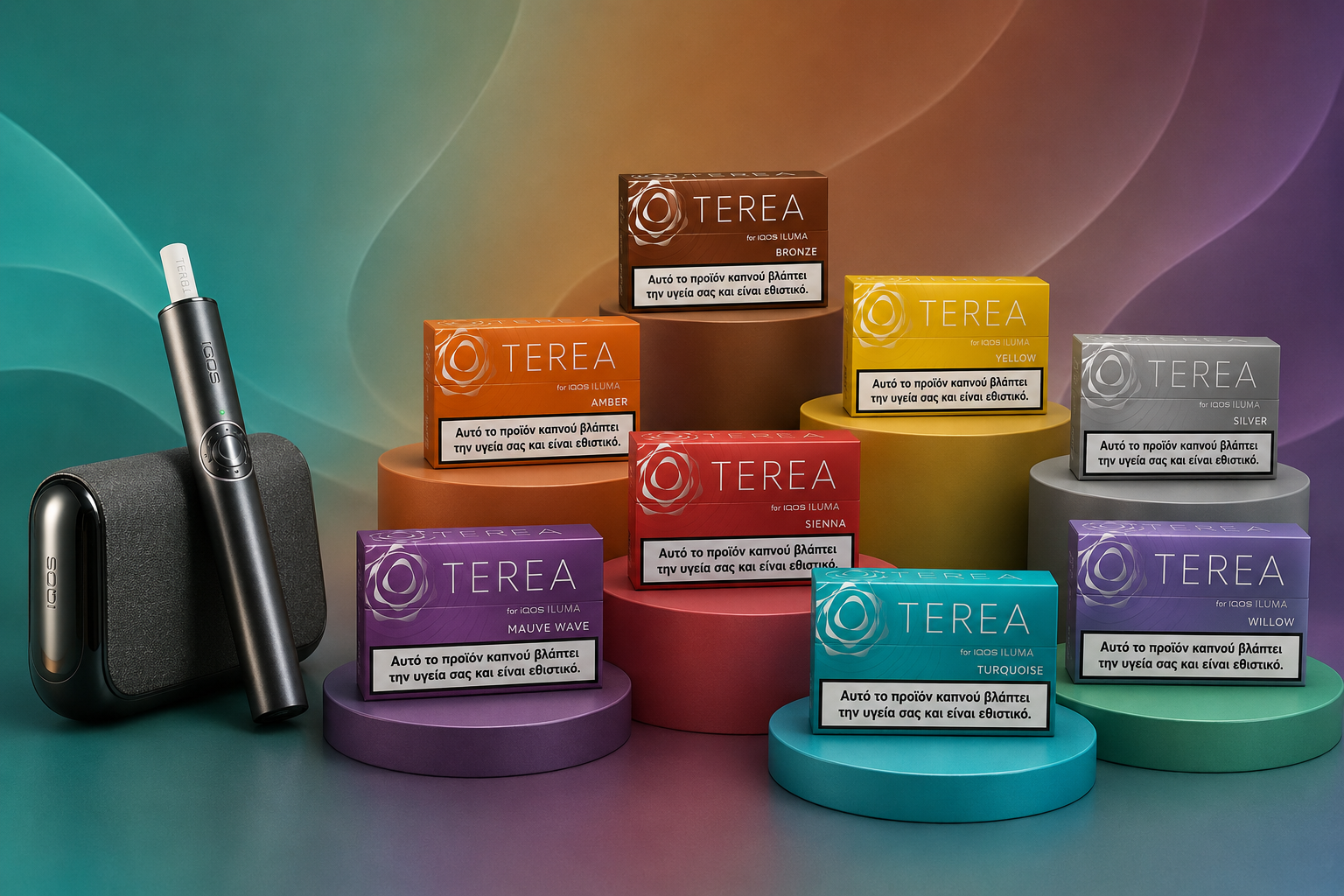
IQOS ILUMA takes a distinct engineering approach to heated-tobacco hardware by replacing the conventional heating blade with an induction-based architecture. The current catalog brings together ILUMA devices, TEREA consumables, compatible product lines, and accessories, making it possible to examine the platform as an integrated ecosystem rather than as a collection of unrelated products.
The catalog is divided into dedicated sections for IQOS ILUMA, TEREA, DELIA, MOFEE, FONDZ, and accessories. For readers comparing заказать TEREA, this structure provides a useful reference for understanding the hardware architecture, consumable compatibility, device formats, maintenance approach, and general online-store experience.
SmartCore Induction Defines the Technical Architecture
The principal feature of the ILUMA family is the SmartCore Induction System. The catalog describes compatible sticks as containing a metallic element that interacts with the induction system inside the device. Unlike older blade-based designs, the holder does not use a conventional heating blade inserted into the consumable.
This creates a different relationship between the device and the stick. Rather than treating the consumable as a passive item placed around a heating element, the induction system is designed around a specifically constructed stick. The result is a hardware architecture in which the device and compatible consumable work together as a single technical platform.
Blade-Free Construction Reduces Routine Maintenance
The absence of a conventional blade is also important from an everyday-use perspective. Earlier heating systems could require regular attention around the heating element, particularly when residue accumulated inside the chamber. The ILUMA architecture removes that specific component and is consequently presented as requiring less routine cleaning.
Automatic stick recognition adds another convenience feature. The system is designed to identify a compatible consumable, reducing manual interaction and making the operating sequence more straightforward.
- SmartCore Induction heating without a conventional blade.
- Compatible sticks use a dedicated metallic induction component.
- Automatic recognition of compatible consumables.
- Reduced maintenance requirements compared with blade-based architecture.
The Active Hardware Catalog Covers Several Formats
The current hardware section includes IQOS ILUMA One i 2025, IQOS ILUMA i, and IQOS ILUMA i PRIME, as well as special and limited editions. This gives the catalog several approaches to portability, interaction, and physical design rather than presenting one standardized device.
The ILUMA One i 2025 is positioned as the compact format, with an integrated construction that reduces the number of separate components a user needs to carry. This approach is particularly relevant for people who prioritize straightforward handling and portability.
The ILUMA i and ILUMA i PRIME offer more elaborate configurations. The catalog highlights additional interaction functions and premium construction, while special editions introduce alternative finishes and distinctive visual treatments. The hardware therefore combines technical functionality with the aesthetics normally associated with premium consumer electronics.
Industrial Design Is Part of the Product Experience
The catalog includes special versions such as IQOS ILUMA i Galaxy and IQOS ILUMA i x Seletti. Their presence demonstrates that the platform is not presented purely as utilitarian electronics. Surface finishes, color combinations, proportions, and collaborative designs become part of the overall product identity.
That matters for ergonomics because these are compact devices intended to be handled and carried frequently. Physical dimensions, charging arrangements, control placement, and the relationship between the holder and its charging components can influence everyday convenience as much as the underlying heating technology.
TEREA Provides the Consumable Layer
The TEREA section is substantially larger than the hardware selection. The active assortment contains conventional profiles alongside capsule variants, cooling-oriented products, aromatic combinations, and products associated with different international markets.
The catalog includes names such as Riviera Pearl, Provence Pearl, Purple Wave, Turquoise, Silver, Oasis Pearl, Twilight, Summer Wave, Amber, Bronze, Green Zing, Yellow, Sun, Perint Pearl, Apricity, Blue, Green, Ruby Fuse, Yugen, Teak, Starling Pearl, Sienna, Beige, Black Purple, and Tidal Pearl.
From a technical perspective, the important point is compatibility rather than the visual variety of the packaging. TEREA products are presented as specifically developed for ILUMA systems, with the metallic component required for induction heating. They should therefore not be assumed to be interchangeable with older blade-based hardware.
International and Capsule Variants Need Individual Attention
The catalog identifies several products with specific market or production characteristics, including Ruby Fuse as a Japanese variant. Other entries provide their own product information, while several are explicitly identified as capsule versions.
For that reason, individual product descriptions are more informative than package color alone. When comparing variants, the relevant product page is the better source for checking the stated profile, format, origin, and compatibility information.
Compatibility Comes Before Product Selection
The most important technical consideration is establishing which hardware generation is being used. The ILUMA platform relies on induction, while earlier IQOS generations used a different heating architecture. The catalog separately identifies TEREA, DELIA, MOFEE, and FONDZ as compatible product families for the newer platform.
The metallic component within compatible sticks is part of this engineering relationship. Consequently, the device and consumable are best understood as matched components rather than independent products that can be mixed freely across generations.
The Online Store Begins With Location Selection
The website’s shopping interface is organized around regional availability. A city-selection field appears throughout the storefront, allowing the visitor to specify the intended location before browsing the localized catalog. This is the first stage of the site’s general ordering flow.
Selecting the city helps determine which catalog and delivery information is relevant to the visitor. The same principle can be useful for international shoppers because delivery availability and service conditions may differ depending on the selected destination.
Age Confirmation Is Built Into the Store Flow
The site contains an explicit age-confirmation screen because the catalog concerns products intended for adults. Before continuing, visitors are asked to confirm that they meet the stated minimum age requirement.
This makes age confirmation a distinct stage of the storefront experience rather than an incidental notice. Applicable laws, age restrictions, and regional requirements should always be observed when accessing or purchasing regulated adult products.
Selecting Products From the Catalog
After the location and eligibility steps, the catalog can be explored through separate categories. The hardware section covers ILUMA devices, while TEREA and other compatible product lines are presented separately. Accessories have their own category as well.
Individual product pages provide additional information and include quantity controls and a cart function. This allows a visitor to examine the characteristics of a particular product before deciding whether it belongs in the shopping cart.
- Select the appropriate city in the storefront.
- Complete the site’s age confirmation.
- Browse the relevant product category and review individual product information.
- Use the cart and checkout interface to review the order details and available delivery conditions.
How the Store Structures the Online Order
The general ordering process follows a familiar e-commerce model. After products have been selected, they can be added to the shopping cart. The cart provides an overview of the chosen items before the visitor proceeds to the checkout interface.
The checkout section contains fields for customer information and delivery details. The site also provides contact channels for customer support and consultation. Delivery conditions depend on the selected location, so the information displayed for the chosen destination should be treated as the current reference.
In practical terms, the storefront can therefore be understood through four broad stages: choosing the city, completing age verification, selecting products from the catalog, and completing the order through the checkout interface. Specific delivery and payment conditions can change, so they should be checked on the live site at the time of an order.
Maintenance and Everyday Convenience
Reduced maintenance is one of the most notable practical consequences of the ILUMA architecture. Removing the conventional blade eliminates a component that previously required cleaning and careful handling.
The device still requires ordinary care of its exterior surfaces, charging components, and accessories, but the particular cleaning routine associated with a traditional heating blade is largely removed. This makes maintenance minimization one of the clearest usability characteristics of the induction approach.
What Defines the Current ILUMA Ecosystem
The current catalog demonstrates a tightly integrated approach to hardware and consumables. SmartCore Induction changes the heating mechanism, compatible sticks provide the required induction component, automatic recognition simplifies interaction, and blade-free construction reduces routine maintenance.
Around that technical foundation, the catalog adds compact and premium hardware formats, special editions, numerous TEREA variants, international products, compatible alternatives, and accessories. For an independent review, the most meaningful factors are therefore compatibility, heating architecture, ergonomics, maintenance, physical design, and the clarity of the online catalog.
Viewed as a complete ecosystem, ILUMA combines a specialized induction platform with a broad consumable catalog and a structured online storefront. For eligible adult customers, the site’s purchasing interface is organized around a simple sequence of location selection, age confirmation, catalog browsing, and checkout, while the product architecture itself centers on induction heating, dedicated consumables, reduced maintenance, and modern industrial design.